

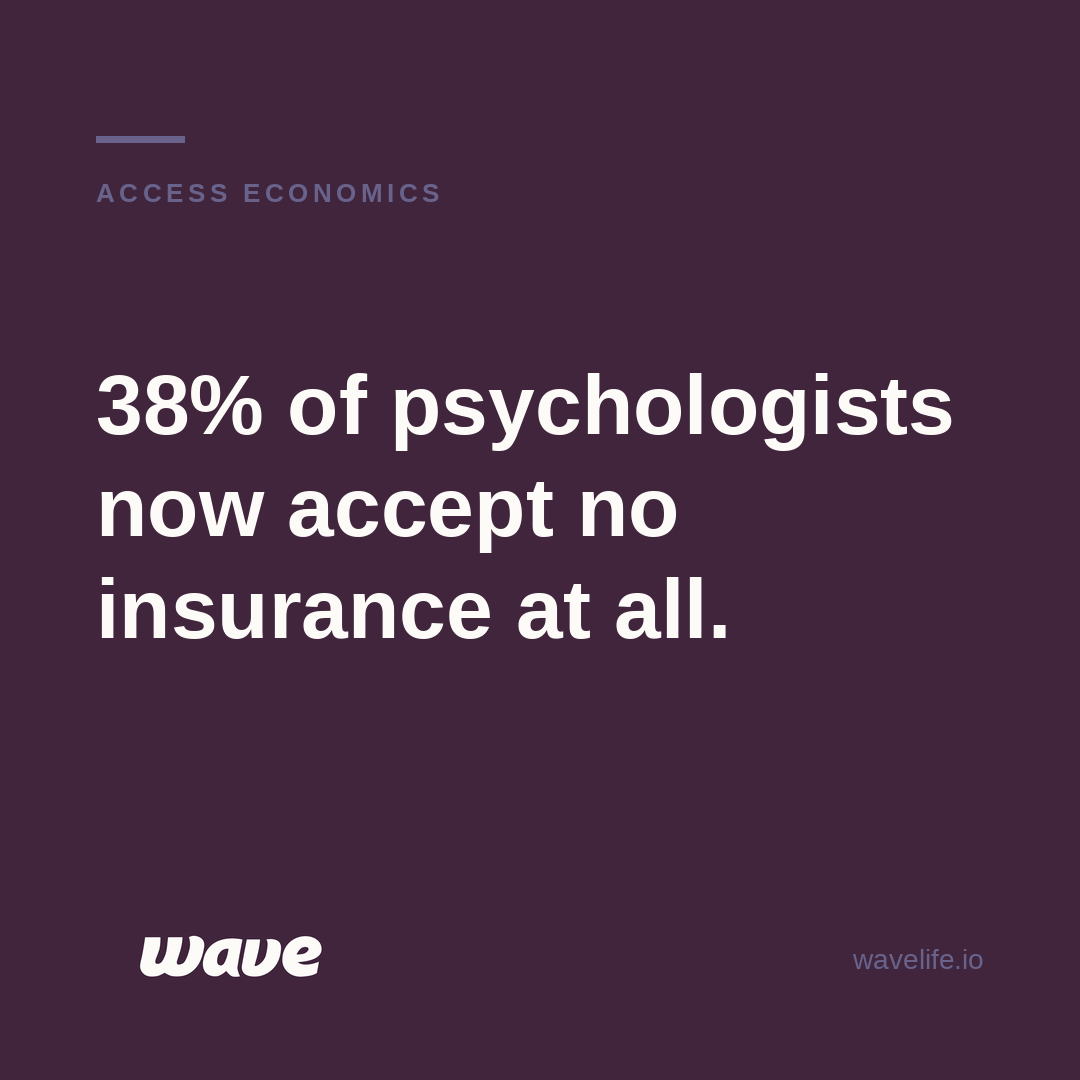
Why a Behavioral Health Budget Runs Out Before the Population Does
Most behavioral health benefits are sized by what they cost per employee per month. What they deliver depends on what a care hour costs and how many clinicians will accept the rate.
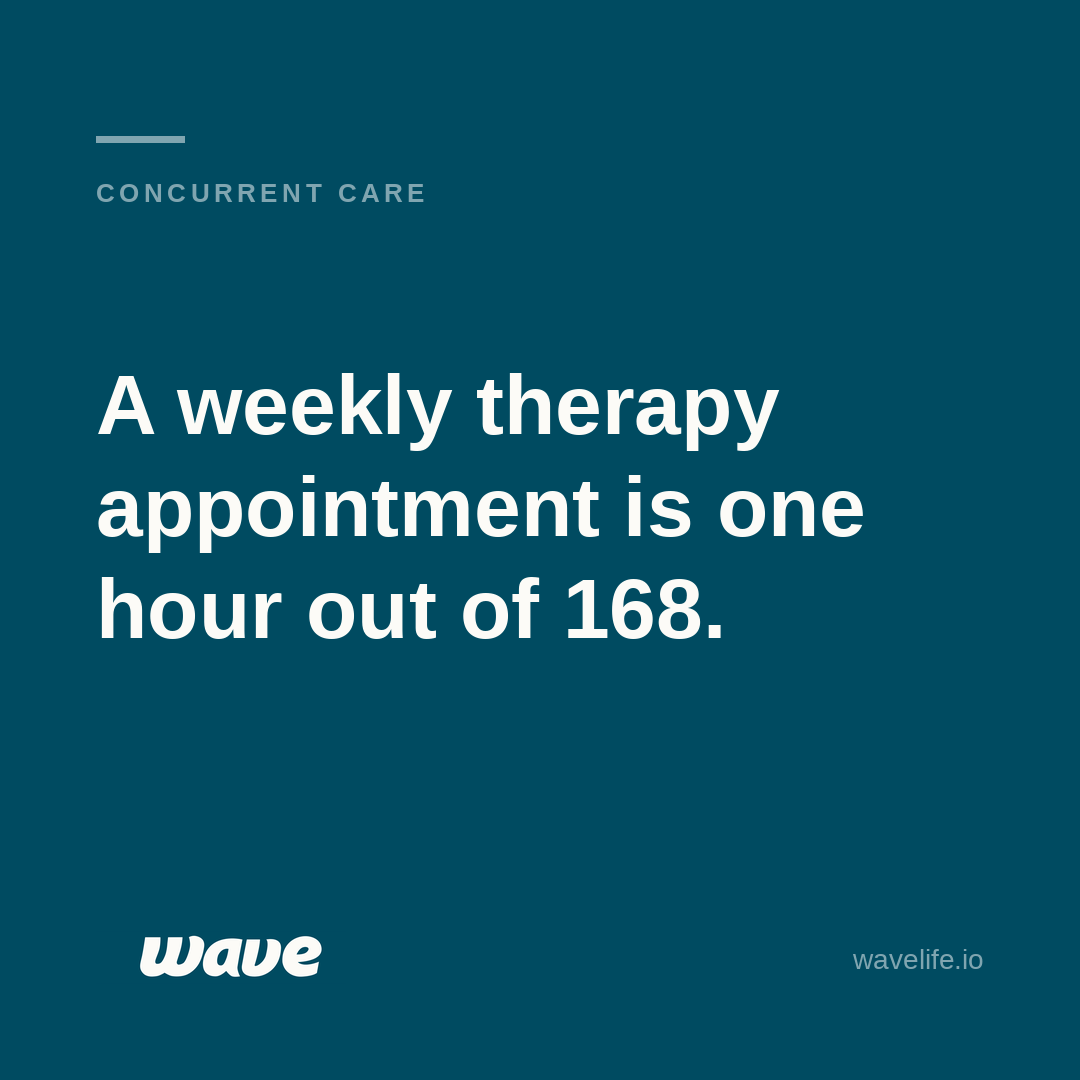
Coaching for Members Who Already Have a Therapist
Benefits teams that already cover therapy often read coaching as a duplicate line item. That assumes members in therapy are supported continuously, and national survey data says otherwise.
What Restructuring Does to the People Who Stay
Restructuring raises distress across an entire workforce, including the people who stay. Here is what the research shows about the anticipation period, and what a behavioral health benefit needs to handle it.
The Money Stress Your Members Carry to Work
Money is the stressor US adults name most often, and it almost never comes through a mental health benefit as a mental health problem. Here is what employees describe, and the part of it coaching can act on.
Caregiving Runs on a Longer Clock Than Most Benefits
Caregiving runs for months or years with acute spikes along the way. Most behavioral health contracts are written around a discrete episode with a beginning and an end. Here is what that mismatch produces, and where Wave's Caregiving pathway does its work.
What Happens After Bereavement Leave Ends
Nearly every US employer offers paid bereavement leave, and nearly all of it is measured in days. Here is what the policy assumes about grief, whose losses it recognizes, and where Wave's Grief and Loss pathway does its work.
What It Takes to Keep a Member With the Same Coach
Coach continuity is decided by how a vendor staffs its care workforce, not by the member. Here is what contractor marketplaces and employed care teams each produce, and what it costs to run the second one.
Outcome Numbers Depend on Who a Vendor Enrolls
An improvement rate is shaped by who a vendor enrolls before any care happens. Here is how eligibility criteria and baseline severity change what an outcome number means during a renewal review.
Evaluating Behavioral Health Outside Its Own Line Item
Behavioral health is usually contracted, reported and judged separately from medical spend. That separation makes it hard to see how symptoms affect conditions the plan is already managing.
Do the Gains Last After Coaching Ends?
Two members can finish coaching with the same DASS-21 improvement for completely different reasons. What separates them shows up later, when the next stressor arrives.
Sleep Is a Behavioral Health Signal Your Benefit Is Probably Ignoring
Sleep problems arrive before a diagnosis and outlast a symptom score, which makes them one of the most actionable signals in behavioral health. Here is why disrupted sleep belongs in a mental health benefit, and where coaching does its work.
The Presenteeism Cost Hiding in Your Benefits Data
The employee at their desk who cannot focus costs more than the one who called in, and none of it shows up in an absence report. Here is how behavioral health drives presenteeism, and where coaching acts on it.
The Access Gap Behind a Full Provider Directory
A network can satisfy a coverage report and still fail the member who needs an appointment this month. Here is where the behavioral health access gap opens, and how a measured coaching front door closes it.
The Members Your Benefit Reaches Last
A benefit can look healthy in aggregate while missing the members who need it most. Here is where reach breaks down by race, income, and severity, and how measurement-based coaching closes the gap.
How Workplace Loneliness Becomes a Behavioral Health Cost
Isolation changes how depression and anxiety behave, and it rarely shows up in a benefits report. Here is why workforce loneliness is a clinical variable and where a coaching relationship acts on it.
Why the First 30 Days Decide Whether a Mental Health Benefit Works
A fully enrolled population can be almost entirely unengaged. Here is where activation breaks down in the first month, and how Wave measures whether care actually started.
Trust Is a Clinical Variable: Why Data Privacy Shapes Mental Health Outcomes
What a member is willing to disclose sets the ceiling on what care can address, which makes privacy a clinical concern and not only a compliance one. Here is how Wave treats member data.
The Cost of Doing Nothing: What Untreated Mental Health Costs Before It Becomes a Claim
The biggest behavioral health cost is the care that never happens. Here is where untreated distress shows up on the P&L, and how a measured coaching front door brings it into view.
Why a Symptom Score Misses the Driver: The Biopsychosocial Case for Coaching
Depression and anxiety are held in place by biology, psychology, and daily life at once. Here is why a symptom score misses the driver, and where coaching does its work.
The Return-to-Work Gap: Why Mental Health Leave Keeps Recurring
Behavioral health is one of the largest drivers of disability leave, yet the return-to-work window goes almost entirely unsupported. Here is what functional recovery requires, and where measurement-based coaching fits.